Your Gut Controls Your Hormones… More Than Your OBGYN Told You
Most women believe hormones are controlled by the ovaries, the thyroid, or the brain. But the truth is this:
Your gut is one of the most powerful hormone regulators in your entire body.
If you’re dealing with fatigue, PMS, bloating, acne, or stubborn weight, your gut may be the root cause. This guide breaks down how the gut affects hormones—and what you can do today to support both.
1. The Gut Microbiome: The Hidden Hormone Regulator
Your gut microbiome contains trillions of bacteria that influence:
- estrogen metabolism
- inflammation
- insulin and blood sugar
- mood and serotonin
- weight
- energy
When gut diversity decreases, hormone symptoms increase.
2. The Estrobolome: How Your Gut Processes Estrogen
The estrobolome is a group of gut bacteria responsible for breaking down estrogen so your body can eliminate it.
When the estrobolome is disrupted, estrogen recirculates and creates symptoms like:
- heavy periods
- bloating
- mood swings
- breast tenderness
- fibroids
- stubborn weight in lower body
3. The Gut–Brain–Hormone Axis
The gut and brain communicate through the vagus nerve.
The gut also produces the majority of serotonin.
If your gut is inflamed or stressed, you may experience:
- anxiety
- low mood
- appetite changes
- cycle irregularities
4. Symptoms Your Gut Is Affecting Your Hormones
- constipation
- bloating
- cravings
- PMS
- fatigue
- acne
- irregular periods
- perimenopause symptoms that worsen suddenly
5. How to Heal Your Gut and Support Your Hormones
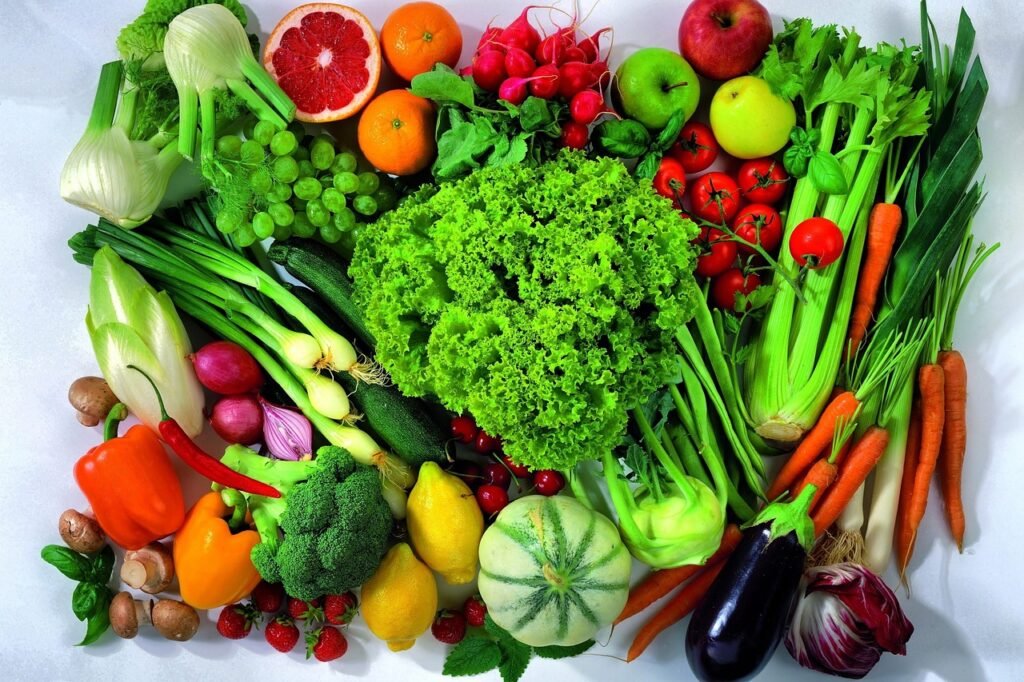
Foods to Focus On
- cruciferous vegetables
- berries
- chia/flax seeds
- sauerkraut and kimchi
- salmon and walnuts
- olive oil
- bone broth
Supplement Foundations
Educational only:
- magnesium glycinate
- omega-3 fatty acids
- probiotics
- digestive enzymes
- vitamin D
- L-glutamine
Daily Habits That Make a Difference
- Aim for 25–35 grams of fiber
- Hydrate throughout the day
- Reduce alcohol
- Walk after meals
- Chew slowly
- Deep breathing for 3–5 minutes
Final Takeaway
Your gut is not just digestion—it’s hormonal balance, mood stability, metabolic health, and inflammation control. When you support your gut, your hormones respond almost immediately.
Download the Free Gut–Hormone Reset Checklist
Get the printable checklist with foods, habits, supplements, and a symptom tracker.