
GLP-1 Reality Check: What Women Need to Know (From a Doctor & a Woman)
By Dr. Marino, Founder of the ELLEvateHER Project
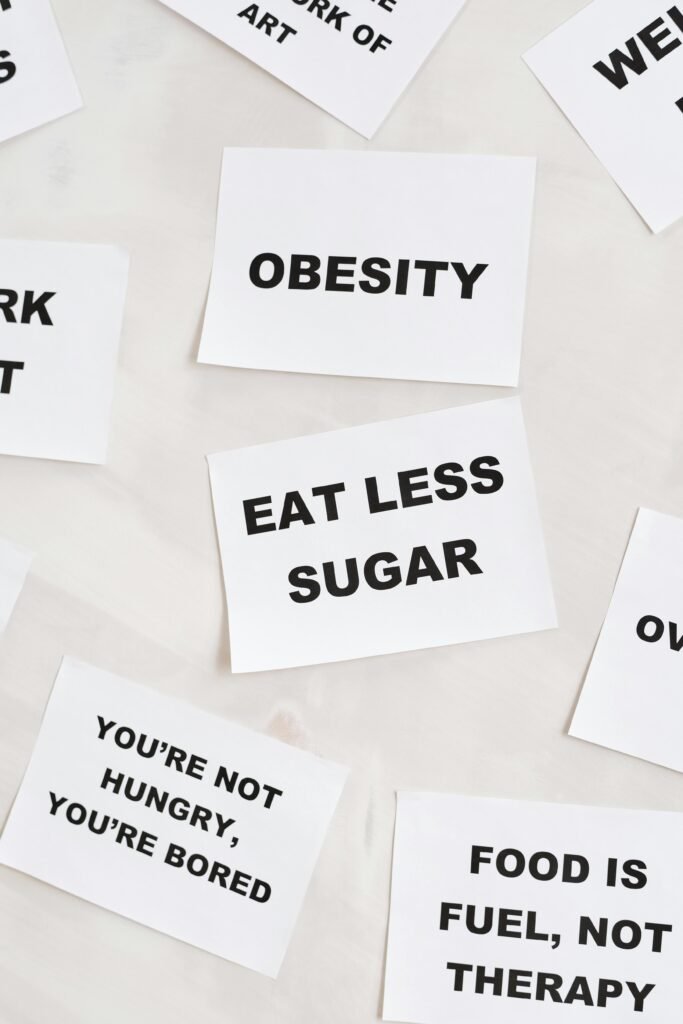
GLP-1 medications are everywhere—Ozempic, Wegovy, Zepbound—the headlines, the social media transformations, the controversy. But here’s what no one is talking about loudly enough:
The women actually taking them.
Women who are trying to work, parent, manage a home, and still carry the mental load of everything. Women who are exhausted, overwhelmed, and relying on the first effective tool they’ve seen in years.
As a physician, I’ve cared for hundreds of women on GLP-1s.
As a woman, I’ve watched friends, colleagues, and patients navigate the emotional weight of weight loss, plateaus, hormones, and side effects.
So today, I want to give you a real, balanced, and honest perspective.
This is not a glamorized sales pitch.
This is not a shame-based lecture.
This is the GLP-1 reality check women deserve.
What GLP-1 Medications Actually Do — Simplified
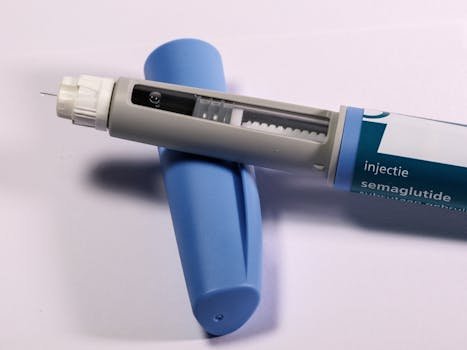
GLP-1 medications:
• Slow gastric emptying
• Reduce appetite
• Improve glucose control
• Stabilize insulin spikes
• Regulate hunger signals in the brain
In short:
they make it easier for your body to stay in a calorie deficit and stabilize metabolic hormones.
They can be life-changing. But they are not magic.
They are powerful tools—tools that need monitoring, labs, nutrition, and proper dosing.
Who Actually Benefits from GLP-1s
Women who often see the best results share a few characteristics:
• Struggle with insulin resistance
• History of yo-yo dieting
• Perimenopause or PCOS
• Strong food noise
• Emotional eating due to cortisol dysregulation
• High waist circumference
• Family history of metabolic disease
These are the women whose biology is working against them—and for whom GLP-1s feel like relief.
Who Should Avoid Them
• Active eating disorders
• Unmanaged GI disorders
• Pregnancy or trying to conceive
• History of pancreatitis
• Severe malnutrition or low muscle mass
• Very low BMI
• Certain thyroid conditions (depending on medication)
It’s not about fear—it’s about safety.
Women-Specific Concerns No One Mentions
Let’s be honest: much of GLP-1 research was done on men.
Yet women have unique physiology.
Here’s what I see clinically:
1. Menstrual Changes
Cycles may become:
• longer
• shorter
• temporarily irregular
• heavier or lighter
This usually occurs due to rapid fat loss + changes in estrogen storage.
2. Muscle Loss
If you lose weight too quickly without enough protein, your lean mass drops.
This affects metabolism, hormones, and long-term weight maintenance.
3. Malnutrition Risks
Especially in women who already eat low-calorie diets.
Low intake → low B12 → low iron → low energy → worsening fatigue.
4. Gut Motility Changes
Women already experience slower GI transit than men.
GLP-1s can intensify constipation, nausea, and bloating.
5. Stress Hormone Interactions
High cortisol + low caloric intake =
• worsened fatigue
• sleep disruptions
• plateauing weight loss
• irritability or anxiety
What Labs Women Should Monitor
At minimum:
• CMP
• CBC
• A1c
• Fasting insulin
• Lipid panel
• Ferritin
• B12
• Vitamin D
• Thyroid panel (TSH + T3 + T4)
Optional but helpful:
• ESR/CRP
• Sex hormones (LH, FSH, estradiol, progesterone)
• Cortisol AM
Nutrition & Supplement Support
What helps women the most:
Increase protein: 90–120g/day
Strength training: 3x/week
Magnesium glycinate: for sleep + bowels
Electrolytes: daily
Omega-3s: inflammation + metabolism
Probiotic: select strains
B12 & iron (if low): prevent fatigue
Red Flags — Call Your Provider
• Not tolerating water or food
• Persistent vomiting
• Severe abdominal pain
• Dizziness or fainting
• Unintentional rapid weight loss
• Heart palpitations
• Extreme fatigue
A Note From Me
You can choose to take GLP-1s.
You can choose not to.
What matters is this:
Your choice should be informed, not pressured. Empowered, not judged.
Telemedicine GLP-1 Program
I offer GLP-1 support through telemedicine in select states where I’m licensed.
This includes:
• Full lab review
• Dosing guidance
• Personalized nutrition support
• Ongoing monitoring
• Women-centered care
Learn more inside the ELLEvateHER Project.
CTA: Download the Women’s GLP-1 Checklist
I created a printable GLP-1 Women’s Safety + Success Checklist.
It includes labs, nutrition targets and red flags.
Download it here :